
Sedation Dentistry Essendon
Sedation Dentistry in Essendon, Making Comfortable Dental Visits for Everyone

Many people aspire to have a beautiful smile, but dental anxiety can be a significant obstacle. Regardless of age, fear of the dentist can make appointments difficult. Thankfully, sedation dentistry offers a solution. Techniques like sleep dentistry help patients overcome their anxiety, ensuring a calm and comfortable experience during procedures.
Dental Essence provides dental treatments with sleep dentistry, catering to patients who find dental visits worrisome or stressful. If you’re curious about how sleep dentistry can benefit you, schedule a consultation with us today.
Understanding How Sleep Dentistry /Sedation Dentistry Works
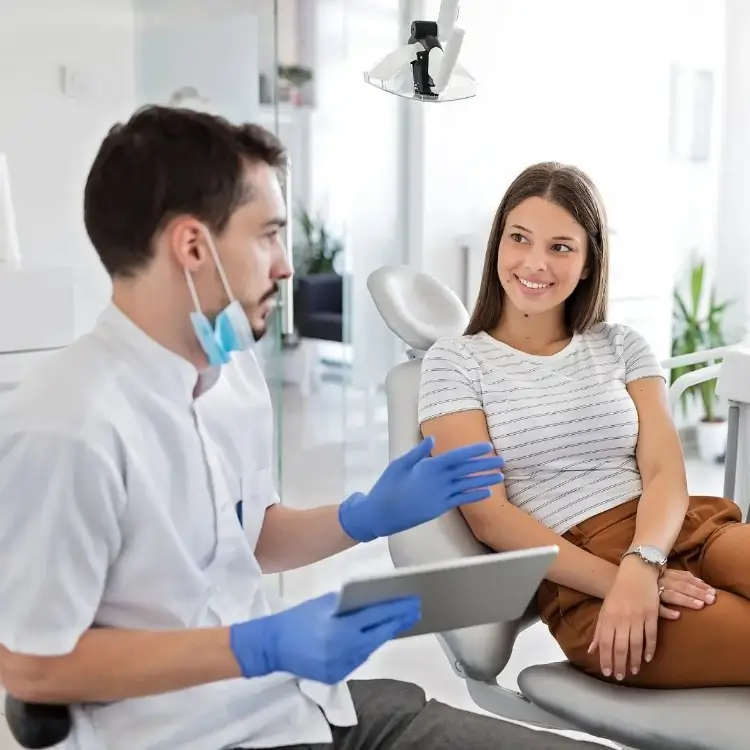
Sleep dentistry, or sedation dentistry, involves using medication to help patients relax and feel comfortable during dental procedures. The type and dosage of medication are tailored to each patient’s unique needs and preferences.
How Much Does Sedation Dentistry Cost in Essendon?
At Dental Essence, sedation dentistry starts at $70, with pricing depending on the type of procedure and sedation level required.
Is Sleep Dentistry Safe?
Yes, sleep dentistry at Dental Essence is safe. Our skilled and experienced dentists handle local anesthesia and oral sedation. Before deciding on the appropriate sedation method, we thoroughly review each patient’s medical history, considering allergies and lifestyle factors to ensure the best care.
While most patients may experience mild side effects like temporary nausea, dizziness, or shivering after local anesthesia, these usually fade within a few hours. Our compassionate team provides complete post-treatment care until recovery. We recommend bringing someone to drive you home after the procedure.
Who Can Choose to be Treated With Sleep Dentistry?

People who fear going to the dentist, are afraid of treatment pain, or feel anxious about the dental environment are likely experiencing dental anxiety.
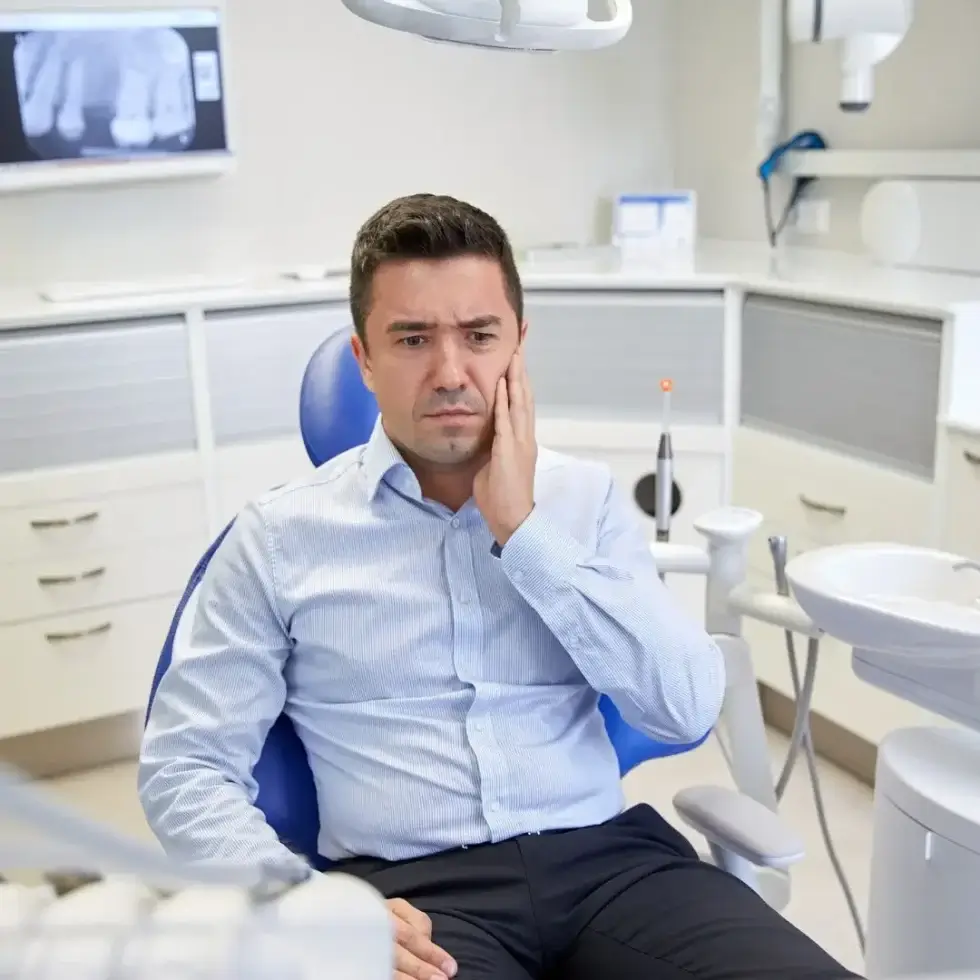
People who have had negative dental experiences in the past. Sleep dentistry can help patients forget about the procedure and any associated pain.

Patients with a low pain tolerance can opt for sleep dentistry by inducing a state of relaxation and reduced awareness.

General anesthesia can be a viable option for patients who do not respond well to local anesthesia.

Individuals with small mouths may experience discomfort and pain when undergoing dental treatments.

Individuals with general stress and anxiety disorders or those with special needs can benefit from sleep dentistry for dental treatment.
Discovering Different Types of Sleep Dentistry and Choosing the Best Option for You
At Dental Essence, we provide a variety of sedation methods customised to each patient’s unique needs. The choice of sedation is based on factors like the patient’s medical history, the duration and type of procedure, and their level of anxiety. Below are some common sedation options used in sleep dentistry:
Local Anaesthesia

Local Anaesthesia
Dental local anesthesia is a technique used to numb a specific area of the mouth during procedures, preventing pain by blocking nerve signals. It is typically administered via injection with common agents like lidocaine, articaine, mepivacaine, or bupivacaine, ensuring patient comfort during treatments like fillings, extractions, and root canals.
Anti-anxiety medication or Oral Sedation

Oral sedation is a popular form of sedation or sleep dentistry. Most patients prefer this method for its effectiveness and ease of use. Our dentist will prescribe oral pills to be taken before your treatment. Once your treatment plan is finalised, our experts determine and explain the specific drug, dosage, and timing. These medications help you relax, and in some cases, oral sedatives may be used in combination with other sedation methods if needed. Most patients find they sleep through the procedure and have no memory of the process.
Nitrous oxide
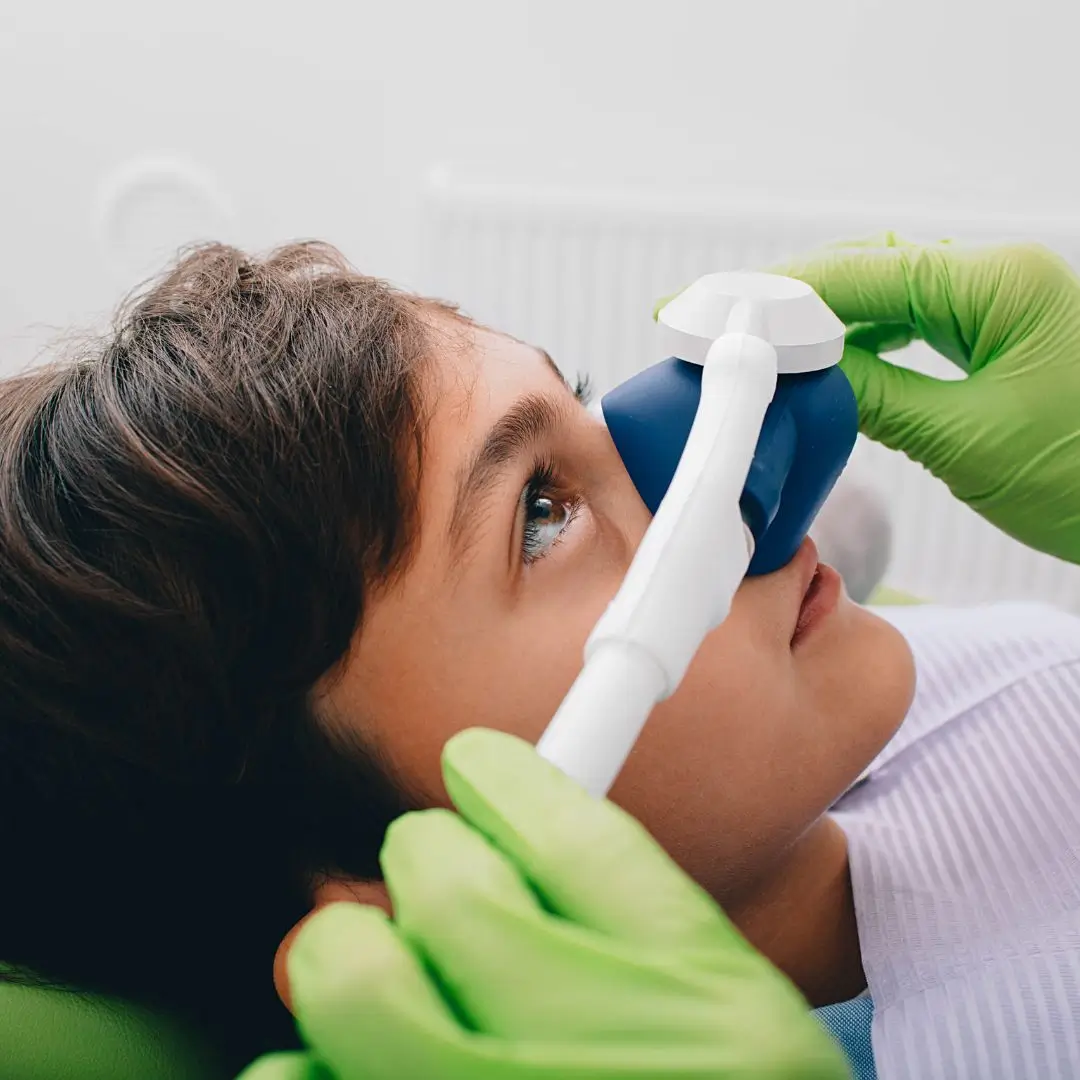
Nitrous oxide
Our Essendon Dentists may use nitrous oxide to help patients feel relaxed and calm during dental procedures. These sedation techniques are selected based on the patient’s needs, anxiety levels, and the complexity of the treatment, ensuring a comfortable and stress-free experience throughout the procedure.
